Achieving Ideal View With SMILE Eye Surgical Treatment


Authored By-Katz Rosenthal
With developments in clinical tech, attaining ideal sight has turned far attainable than ever. A most groundbreaking techniques in recent years is SMILE eye surgery. This non-invasive procedure is created to address common sight difficulties, particularly short-sightedness, presenting a potential remedy for millions of patients who depend on spectacles or lenses. As you consider the possibilities of SMILE laser eye surgery, you may be curious about its benefits, expenses, and how it measures against other sight restoration options.
In this article, we will explore what SMILE eye surgery involves, how it functions, and the healing process needed. We will also discuss the benefits of the SMILE procedure for myopia and provide a thorough contrast of SMILE versus PRK, another popular eye surgery. With details on adverse reactions and overall efficacy, this extensive manual aims to offer you with a clearer grasp of SMILE eye surgery, bringing you one step to achieving achieving perfect vision.
What SMILE Optical Treatment?
SMILE Eye Surgery stands as a revolutionary laser vision surgical treatment intended to correct myopia as well as astigmatism. Differing from traditional laser vision techniques, SMILE utilizes a minimally invasive method. It includes making a minimal opening in the outer layer of the eye to extract a lenticule, thereby modifies the eye's surface to improve visual clarity. This method offers accuracy and ease, making it an attractive alternative for many people looking to improve their eyesight.
The process starts with the application of a femtosecond laser, that generates the disc within the corneal tissue. As soon as the lenticule is formed, a minimal incision is made through which the surgeon meticulously takes out the lenticule, thus altering the curvature of the cornea. This unique technique allows for a gentler experience in contrast to more common surgeries, where more extensive cuts are typically required. The full procedure typically lasts about 30 mins, with many patients experiencing immediate enhancements in their eyesight.
One of the compelling aspects of SMILE is that it frequently produces less risks and faster rehabilitation periods than other procedures like Lasik or PRK. People claim reduced discomfort and distress and can return to their usual tasks within a couple of days. As a result, SMILE has seen a rise in demand among patients who want effective vision correction with short recovery.
Benefits and Recovery
The SMILE Procedure offers numerous advantages that make it an appealing choice for people seeking vision correction. One of the primary benefits is the minimal invasiveness of the procedure. Unlike standard LASIK, which requires a corneal flap to be created, SMILE utilizes a minimal incision to remove tissue from inside the cornea. This approach not only lowers the risk of complications but also fosters faster healing and minimal postoperative discomfort. Patients often experience improved vision within a few days, allowing them to quickly return to their normal routines.
A further advantage of SMILE is its effectiveness for treating nearsightedness, also known as myopia. The SMILE procedure specifically targets the underlying causes of myopia by removing a tiny lenticule from the corneal stroma, reshaping the cornea for enhanced sight. Many patients report a great degree of satisfaction and freedom from glasses or contact lenses after the surgery. Additionally, the accuracy of the SMILE technique leads to a consistent outcome, making it a reliable option for those with medium to severe myopia.
Recovery from SMILE Eye Surgery is typically rapid and simple. Most patients can resume normal activities within a short timeframe, often going back to work or school within a few days. The majority experience minimal discomfort, and follow-up appointments ensure that healing is advancing as expected. It is essential for patients to follow the aftercare instructions provided by their surgeon, which may include steering clear of strenuous activities and using prescribed eye drops. Overall, the recovery process is structured to be smooth, contributing to the overall positive experience patients have with the SMILE procedure.
Price of SMILE Procedure
The cost of SMILE treatment can vary significantly based on various factors, including the doctor's expertise, the technology used, and the geographical site of the practice. On average basis, patients can foresee to pay from 3,000 to 5,000 bucks for each eye. While https://drive.google.com/file/d/1Gcu2nr7v0tWk5EvF_tdgUjXqszxDqViB/view?usp=sharing may seem substantial, it is important to note that many see it a sustainable answer to vision rehabilitation, perhaps reducing recurring expenses related to glasses or vision aids.
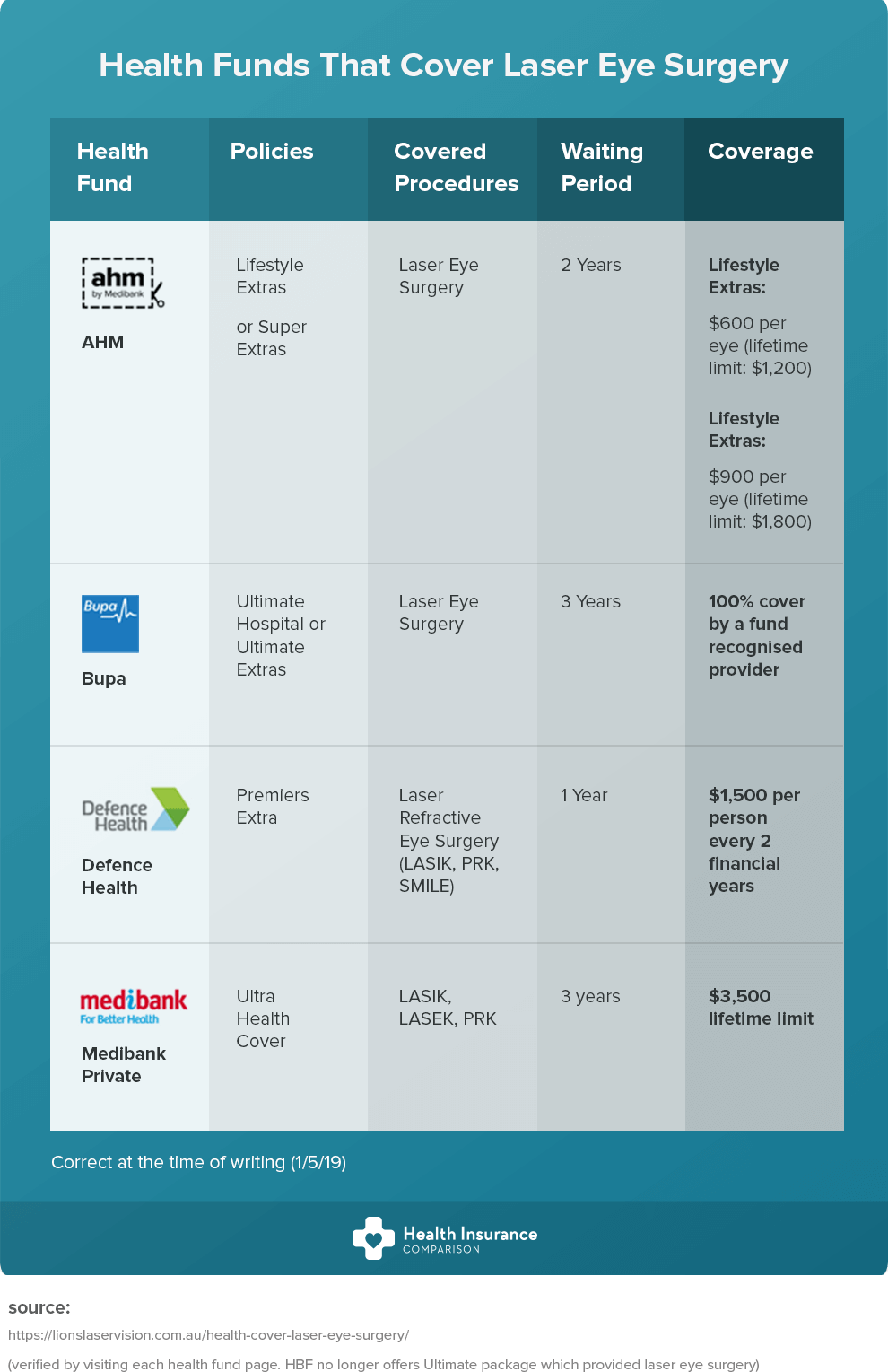
Insurance coverage for SMILE laser eye surgery is frequently insufficient, as many insurance providers identify it an non-essential procedure. However, some patients may discover that their insurance covers a percentage of the cost, particularly if surgical procedure is deemed necessary due to major vision problems. It's wise for individuals to verify with their insurer and go over payment arrangements with their chosen clinic to effectively understand the financial considerations.
Moreover, many clinics provide financing plans to help make the treatment more accessible. These plans allow patients to spread the expense over months, making it possible for more individuals to achieve the optical improvement they seek. It is crucial for future patients to thoroughly explore different facilities and their pricing formats to ensure they are making an informed choice that meets their financial situation and satisfies their vision needs.
PRK vs. SMILE Comparison Chart
When considering options for laser eye surgery, numerous patients commonly contrast SMILE and PRK techniques. Both procedures focus on resolving vision problems, but they employ distinct approaches. The SMILE method, or Small Incision Lenticule Extraction, involves making a minimal opening to extract a lenticule from the eye's cornea, on the other hand the PRK procedure, or Photorefractive Keratectomy, reshapes the corneal outer layer by removing the epithelium before utilizing the laser. This fundamental difference greatly affects the recovery process and possible advantages for patients.
In terms of recovery, the SMILE technique generally delivers a faster healing process with less postoperative discomfort compared to the PRK method. Patients undergoing SMILE can frequently return to their daily routines within a few days, while PRK may require many days to weeks for complete recovery for complete visual restoration due to the healing of the epithelial layer. Moreover, Single Step Laser Vision Correction reduces the likelihood of issues such as hazy vision, which is more likely during PRK due to the takeaway of the outer epithelium.
Cost can play a role as a factor in the decision for many individuals. While SMILE might have a greater initial price due to its advanced technology and technique, it is crucial for patients to weigh the advantages of speedier recovery and less discomfort in relation to the financial aspects. Ultimately, the decision between SMILE and PRK will hinge on individual preferences, unique vision correction requirements, and discussions with certified eye specialists.